Happier Paws, Calmer Home: Why Cat Nail Care Matters
Healthy nails are a bigger part of your cat’s comfort than they might seem at first glance. When nails are kept at a good length, it is easier for your cat to walk, stretch, and land softly after a jump. Short, smooth nails help your cat grip surfaces without getting stuck, which supports better posture and natural movement. That means less slipping on hard floors, less snagging on blankets, and fewer surprises when those paws land in your lap.
When nails grow too long, problems start to add up. Overgrown nails are more likely to split, crack, or get caught in carpet and furniture. A single broken nail can be very painful and may make your cat limp, avoid play, or hide. For senior cats or cats with joint issues, long nails can change how they place their feet, which can affect comfort with every step. On top of that, many cats learn to associate nail trims with stress, which can turn a simple health habit into a battle that nobody enjoys.
The good news is that nail care does not have to be dramatic or scary. With the right handling, tools, and routine, we can turn trims into a short, low-stress part of life. At Honey Pets, we focus on gentle, professional grooming for cats, both in our grooming salons and with mobile grooming that comes directly to your driveway in parts of South and Central Florida, North Carolina, Maryland, and nearby communities.
Spotting Trouble Early: Signs Your Cat’s Nails Need Help
Cats are masters at hiding discomfort, so we want to pay attention to small clues that nails are becoming a problem. Physical signs are often the easiest to notice. You might see or hear nails:
- Catching on blankets, clothing, or carpet
- Clicking loudly on tile or hardwood floors
- Curling toward or even touching the paw pad
- Splitting into rough, frayed layers
Behavior can tell us just as much as appearance. A cat with sore or overgrown nails may scratch more often, sometimes in new places, just to relieve pressure. You might notice reluctance to jump onto favorite perches, hesitation to play, or sudden hissing and pulling away when you touch their paws. Some cats lick or bite at their toes, which can be easy to miss if it happens when no one is watching.
Ignoring nail care can lead to more serious issues. Nails that curl too far can press into or even embed in the paw pad, creating open wounds that can become infected and very painful. A cat dealing with chronic paw pain may hide, seem irritable, or show aggression when approached. In these cases, it is safer to seek professional grooming for cats, especially if you notice:
- Bleeding around the nail or paw pad
- Nails that look very thick, oddly shaped, or discolored
- Extreme fear or resistance to any paw handling
These are signs that at-home trims may not be the best choice for the moment.
Setting the Stage for Low-Stress Nail Trims
A calm environment can make nail care much easier. Choose a quiet room away from kids, loud TVs, or heavy foot traffic. A non-slip surface, such as a yoga mat or bath mat, helps your cat feel stable. Add a favorite towel or blanket that smells like your cat, and soft background noise, like gentle music or a low TV in another room, to help mask sudden sounds.
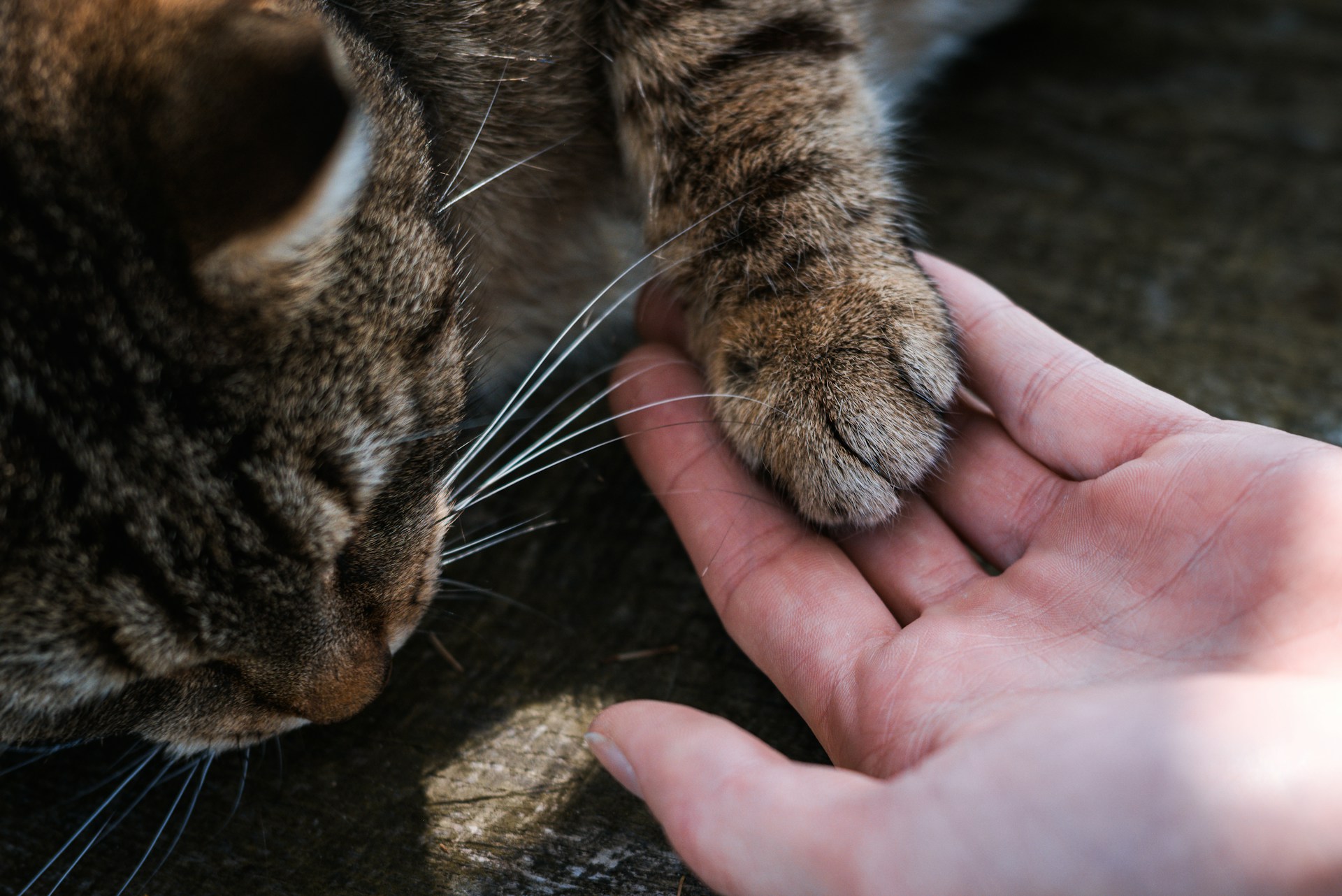
The real secret to easier trims is what we call paw practice. Instead of only touching your cat’s paws when it is time to clip, make paw handling part of your daily routine long before a trim. While your cat is relaxed, briefly touch a paw, then reward with a treat or gentle chin scratches. Over time, you can:
- Hold each paw for a second or two
- Press gently on a toe to extend the nail
- Reward every calm response
For tools, simple is often best. Cat-safe nail clippers or a cat-friendly grinder, styptic powder for accidental nicks, and high-value treats are must-haves. Some families find it helpful to have a second person who can calmly pet, talk, and treat the cat while the nails are clipped. In professional grooming for cats, we rely on this same foundation: quiet handling, slow movements, and plenty of positive reinforcement, all aimed at keeping fear and tension as low as possible.
Step-by-Step: Trimming Cat Nails Without the Drama
Everyone’s cat is different, so it helps to experiment with positions. Some cats relax in a lap, facing away from you, with their body supported by your arm. Others prefer being on a table, with you standing beside them. For wiggly cats, a light towel wrap, leaving one paw out at a time, can provide a feeling of security. Throughout the process, watch their body language. Ears flattening, tail lashing, or tense muscles are signs to pause.
When you are ready to trim, gently press on a toe to extend the nail. Look for the quick, the pinkish area inside the nail that holds nerves and blood supply in lighter nails. In darker nails, trim only the transparent or slightly curved tip. Clip just the very end of the nail, then give a treat. You can rotate through the paws, doing a few nails at a time and taking breaks. Many cats do better with several short sessions than one long, intense trim.
If your cat squirms, growls, or tries to get away, stop before things escalate. Release the paw, give a treat if they are willing to take it, and allow a short break. Forcing a full trim in a single session can turn nail care into a fight you both dread. Staying calm and working in small steps builds trust over time.
Slip-ups can happen, even with care. If you accidentally nick the quick and see a small amount of blood, keep your voice soothing, apply styptic powder to the tip of the nail, and hold gentle pressure for a few seconds. Do not scold or panic. Your cat will remember how the moment felt, so keeping things as relaxed as possible helps prevent bigger fears next time.
When DIY Is Not Working and Keeping Nails Healthy Over Time
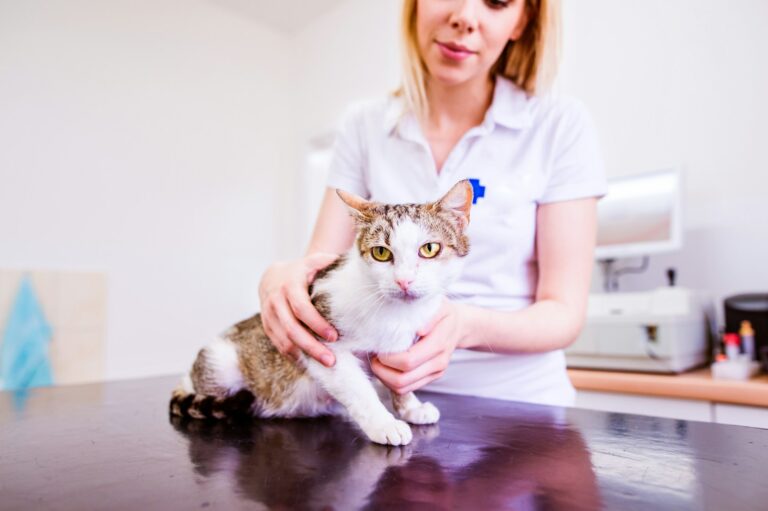
Sometimes, the kindest choice is to let professionals handle nail care. If your cat has severe anxiety, has scratched or bitten during trims, or has a history of stressful grooming, professional grooming for cats can be safer and less upsetting for everyone. The same is true if your cat needs grooming related to health issues, such as mobility problems or skin concerns around the paws, that should be monitored carefully.
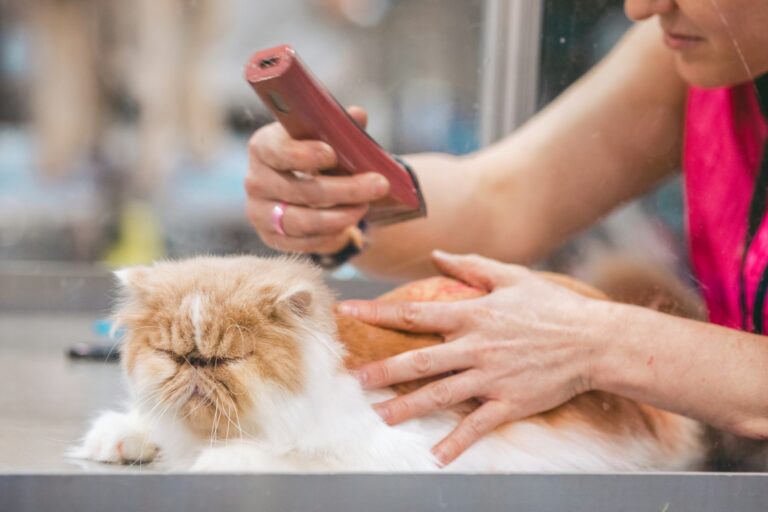
At Honey Pets, our groomers work with cats every day and pay close attention to feline body language and comfort. Our approach centers on gentle, safety-focused handling and techniques that keep fear low, whether we are trimming nails only or including nail care as part of a full grooming service. For shy or easily stressed cats, mobile grooming can be especially helpful. Your cat stays close to home, avoids a waiting room, and experiences less disruption, which often means a calmer visit. For families near our salons in South and Central Florida, North Carolina, and Maryland, in-store grooming can be a good fit too, especially when combined with regular coat care and ear checks that support overall wellness.
Between professional visits, small habits keep nails in good shape. Trim frequency depends on whether your cat lives indoors, spends time outdoors, and on age and activity level, but many cats benefit from regular checks every few weeks. Scratching is a natural way for cats to help manage their nails and relieve stress, so sturdy scratching posts, cat trees, and cardboard scratchers are essential. Rotate locations and textures to keep them interesting.
It also helps to set a weekly paw check routine. Look at each nail, gently spread the toes, and reward any calm behavior. Wipe nail clippers after each use and replace them if they become dull, since dull blades can crush the nail instead of slicing it cleanly. When at-home care is paired with routine professional grooming for cats, you lower the risk of painful splits, snags, and emergency visits, and you support a calmer, more comfortable life for your cat.
Confident Next Steps for Stress-Free Cat Nail Trims
Feeling nervous about trimming your cat’s nails is completely normal. You care about your cat and you do not want to cause pain or stress. By starting with tiny, positive steps, reading your cat’s signals, and stopping before either of you feels overwhelmed, nail trims can slowly shift from a dreaded chore to a manageable part of your routine.
Over time, the payoff is worth it. Regular, gentle nail care means fewer accidental scratches, furniture that stays in better shape, and most importantly, a cat that can move, jump, and play without discomfort. With a thoughtful home routine and support from professional grooming when you need it, you can help your cat enjoy happier paws and a calmer, safer home.
Give Your Indoor Cat The Healthy Coat They Deserve
If you are ready to reduce shedding, prevent mats, and keep your cat comfortable year-round, our team at Honey Pets is here to help. Learn how professional grooming for cats can support your cat’s skin and coat health and make care at home easier. When you are prepared to schedule or have questions about what to expect, simply contact us and we will walk you through the next steps.