Healthy Cat Coats Start with the Right Facts
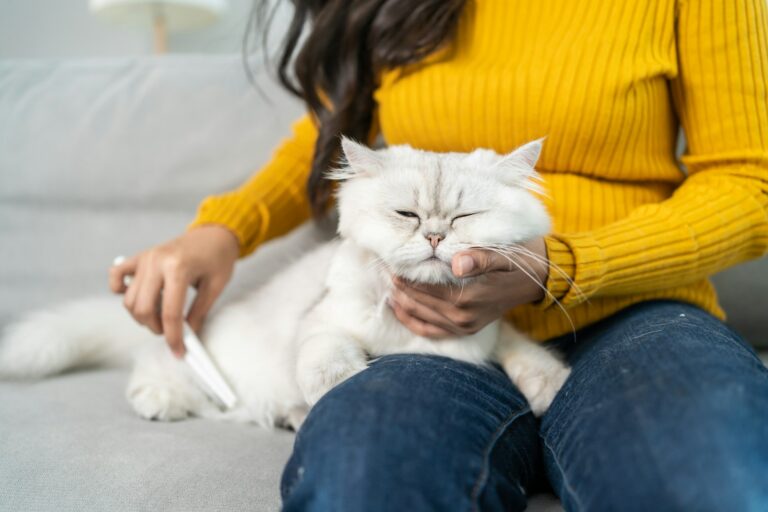
A soft, shiny cat coat does not happen by accident. Many cat parents trust that self-grooming will handle everything, until they find thick mats along the back or a tight knot under the armpit that has been hidden for weeks. We often meet longhaired cats who seem “clean” on top, but underneath the fur there is matting, dandruff, and sore skin. With patient, professional grooming for cats, that same coat can turn light, loose, and comfortable again.
Cat coat myths are very common. Cats have a reputation for being independent, many live indoors, and a lot of owners worry that grooming will stress them out. These ideas can delay care and turn a small tangle into a full-body pelt. In this article, we will unpack the biggest cat coat myths, explain how they make grooming harder, and share simple ways to support your cat between appointments. We groom many cats in warm parts of North Carolina, Florida, and Maryland, where summer heat and humidity add extra strain on a neglected coat, so we see the results of these myths every day.
Myth One: Cats Do Not Need Professional Groomers
Cats are great at licking, not so great at full coat maintenance. Their tongue can spread natural oils and clean surface dirt, but it cannot:
- Remove deep undercoat that is packed close to the skin
- Break apart stubborn mats in the belly, armpits, or behind the ears
- Clean sanitary areas safely and thoroughly
When owners rely only on self-grooming, quiet problems can build up. Hidden mats often start in soft, high-friction spots, like armpits, inner thighs, and the lower belly. Undercoats can become impacted, which traps heat and moisture, and that can lead to itchy, irritated skin. Hairballs are another side effect, since all that loose hair has to go somewhere. Warm, humid weather, like we see rolling into early summer in our service areas, can make these issues feel even worse for the cat.
Regular professional grooming for cats does more than make the coat look pretty. A groomer trained to work with cats can:
- Reduce shedding with careful de-shedding work
- Lower hairball issues by removing loose coat before the cat swallows it
- Spot skin changes, fleas, or small hot spots before they get severe
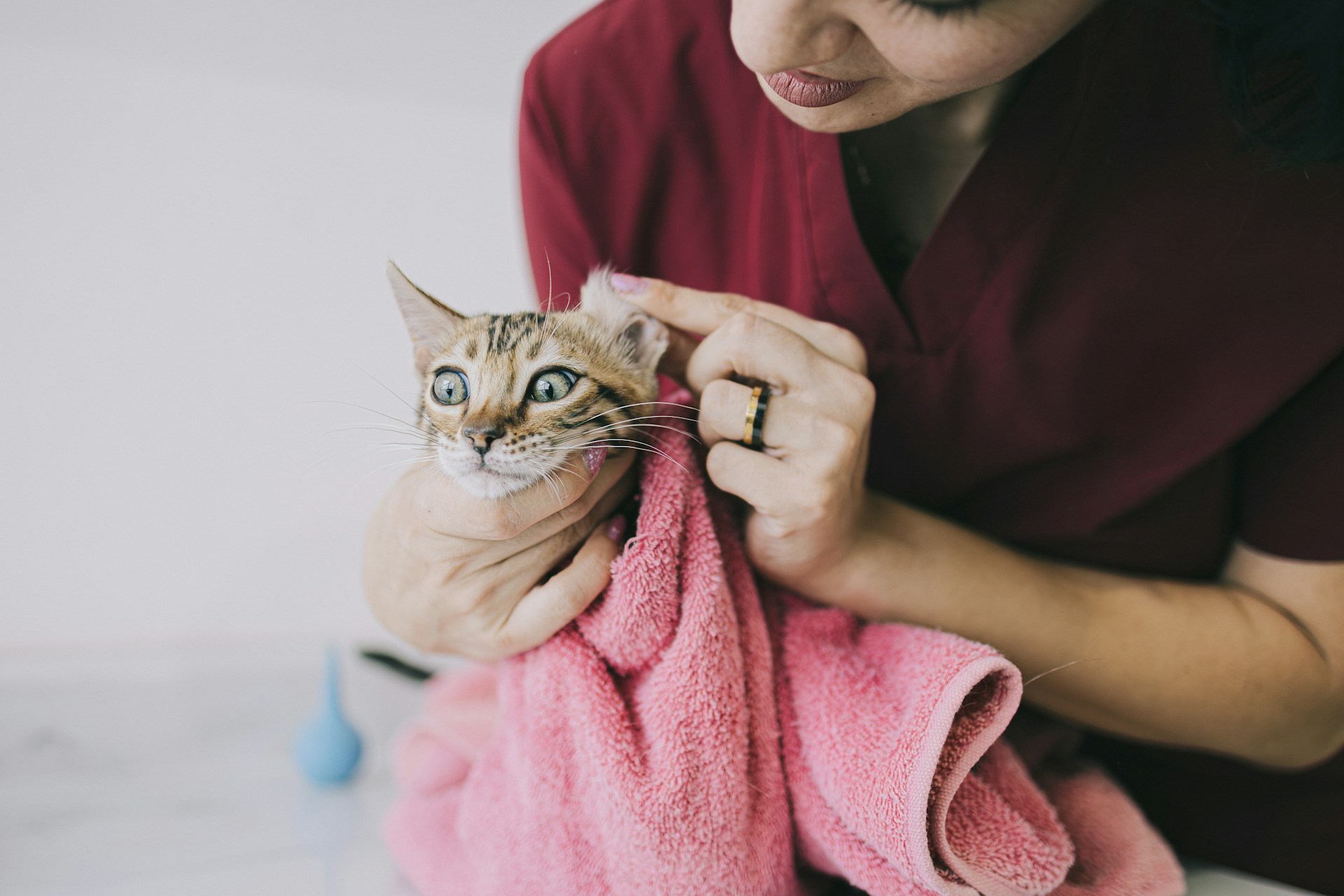
At Honey Pets, we focus on calm, cat-aware handling in both our mobile units and our boutique salon. That quiet, controlled setting is much safer than trying to cut mats at home with scissors or clippers, which can easily nick thin cat skin and make grooming a scary event.
The Shaving Shortcut Myth: A Lion Cut Fixes Everything
When mats seem bad or the weather heats up, many cat parents jump straight to one idea: “Just shave it all, a lion cut will fix everything.” While a lion cut can be helpful in certain cases, treating it as a fix-all can actually make grooming harder in the long run. Shaving a cat too short can increase the risk of cuts, irritate sensitive skin, and feel very strange for a cat who has never experienced clippers. Some cats become fearful or defensive because their first grooming was a full shave-down.
There are times when shaving is truly needed, such as:
- Solid, pelted mats where the coat feels like a thick shell
- Severe sanitary buildup that cannot be combed out
- Some medical cases where a vet wants the coat short
But for many cats, especially those seen before things get extreme, careful de-shedding, full comb-outs, and targeted trimming are better choices. These options keep the protective outer coat, help manage shedding, and are usually more comfortable. In sunny states like Florida, taking the hair down too short can also expose pale skin to sunburn, especially on the back and sides.
Seasonally, it helps to think ahead. When cat parents schedule professional grooming before heavy shedding hits, we can preserve the coat instead of shaving it. Early grooming makes it easier to keep the fur smooth, so your cat stays cooler and more comfortable without losing their natural protection.
Brushing Myths That Lead to Painful Mats
A “quick brush” over the top of the coat often feels helpful, but it usually only touches the surface. The real trouble comes from the dense undercoat, especially in longhaired or double-coated cats. When that layer is not reached, it tangles at the base and slowly turns into tight mats that pull on the skin.
Wrong tools add to the confusion. Soft human hairbrushes, rubber mitts, or very gentle slickers may move the top hair around but leave the undercoat untouched. Owners think they are on top of grooming, while mats quietly build in:
- Areas behind the ears
- Under the collar or harness
- Inner thighs and armpits
- Along the tail base
When brushing only happens once the coat already feels rough, many cats are already sore. Rough or rushed brushing pulls on the skin, so the cat starts to fight or run away. That tension then shows up at professional appointments too, because the cat expects brushing to hurt.
A few simple habits can support smoother, kinder grooms:
- Keep sessions short and positive, just a few minutes at a time
- Focus gently on known trouble zones, not only the back and sides
- Use tools made for cats and follow your groomer’s guidance
- Plan professional grooming before big seasonal shedding spikes
Dangerous Assumptions About Shedding and Hair Length
Shorthaired cats often get ignored when it comes to grooming. Many people assume they do not shed much or cannot get mats. In reality, short coats can pack down close to the skin, forming tight little knots or rough patches that feel like tiny pebbles when you run your hand against the fur. Short hair can also trap dander and loose undercoat, which affects both the cat’s comfort and the cleanliness of your home.
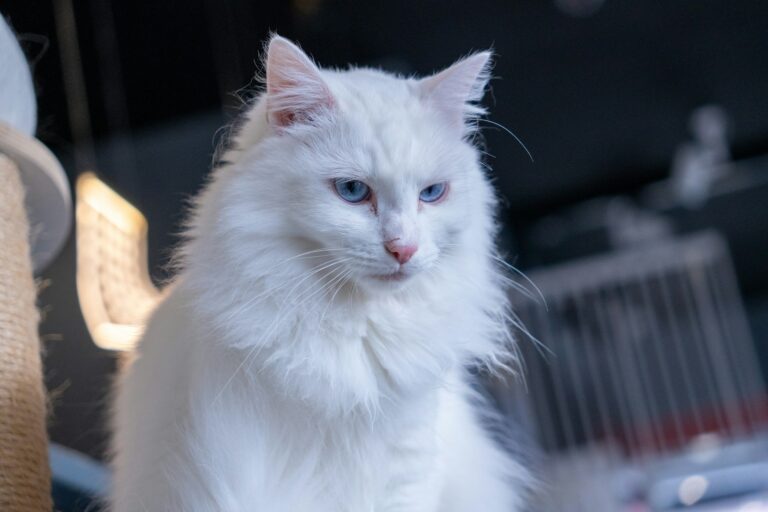
Long hair, on the other hand, gets blamed for everything. The truth is that length is not the real problem. A well-maintained long coat can be soft, airy, and low-stress if it is brushed correctly at home and seen regularly by a professional groomer. The trouble begins when that long coat is left alone for months. Then it tangles, traps debris, and sometimes has to be shaved because it is unsafe to comb out.
Shedding also affects the space you share. Loose hair ends up on furniture, bedding, and even floating in the air, which many people notice more as temperatures rise and AC or fans spread it around. Routine de-shedding helps:
- Reduce loose hair on clothes and furniture
- Lower the amount of hair in the litter box and around food bowls
- Cut back on swallowed hair that turns into hairballs
Groomers look at your cat’s coat type, daily lifestyle, and your local climate. A mostly indoor cat in air conditioning will have different needs than a cat who spends time in screened porches with open windows in humid North Carolina, Florida, or Maryland. From there, we can recommend a grooming schedule and services that match your cat, not just their hair length.
Turn Coat Myths Into a Comfort Plan for Your Cat
The big shift is to see professional grooming for cats as part of regular care, like feeding a good diet or scooping the litter box, instead of an emergency when mats or hot weather hit. When we work with the coat before it gets messy, grooming is shorter, kinder, and less stressful for everyone. Your cat stays more comfortable, and you avoid the worry of sudden shave-downs or surprise skin problems.
A simple plan can make a big difference: check your cat’s coat once a week with your hands and eyes, especially along the belly, armpits, and behind the ears. Plan regular grooming in advance so appointments happen before mats show up. Be honest with your groomer about any past grooming fears or behavior, so we can adjust handling and pace to keep your cat feeling safe. At Honey Pets, we bring mobile and boutique cat grooming to parts of North Carolina, Florida, and Maryland, and we see how much calmer cats are when myths are cleared up and their coat is cared for all year long.
Give Your Cat the Comfortable Grooming Experience They Deserve
If your cat is overdue for a trim or struggling with mats, we are here to help with gentle, expert care. Explore our professional grooming for cats to see how we keep felines clean, comfortable, and stress-free. When you are ready to schedule an appointment or ask a question, simply contact us and we will walk you through the next steps with Honey Pets.