Subtle Clues Your Cat Needs More Than a Brush
Grooming is not just about keeping your cat pretty. It is a big part of their comfort and overall health, even for indoor cats who never step outside. A clean, tangle‑free coat helps protect the skin, control shedding, and keep your cat feeling relaxed instead of itchy or sore.
Many people believe cats never need grooming help because they lick themselves all day. That is only true up to a point. As cats age, gain weight, grow thicker or longer coats, or deal with health issues, self‑grooming can start to slip. You may not notice right away, because cats are experts at hiding discomfort.
A professional cat groomer looks at more than just loose hair. We check the coat, skin, paws, and hygiene areas, and we use tools and handling methods that go far beyond a quick pass with a home brush. That is why certain changes in your cat’s coat and behavior are clear signs it is time for expert help, especially as spring shedding starts and loose fur really builds up.
Coat Trouble That Signals It’s Time for Help
One of the easiest places to spot problems is in your cat’s coat. If the fur does not feel soft and clean, something is off.
Matted fur and tangles often start in:
- Armpits and between front legs
- Belly and inner thighs
- Behind the ears and under the chin
- Around the collar area or harness spots
These mats form when shed hair from the undercoat gets trapped, especially during heavy spring shed. Friction from walking or lying down makes the tangles tighter. Mats pull on the skin, which can be very painful. They also hide sores, fleas, or irritated spots that can turn into infections.
Cutting mats out at home is risky. Cat skin is thin and can be pulled right into the clump of hair. One slip of the scissors can mean a deep cut. Any time you see tight mats, you cannot gently comb out, that is a clear sign to bring in a professional cat groomer.
Coat texture is another big clue. Fur that feels:
- Oily or greasy
- Sticky or clumpy
- Dull instead of soft and shiny
often means your cat is not able to groom well enough. Sometimes this happens with obesity, arthritis, dental pain, or other health issues that make certain areas hard or painful to reach. A groomer can safely bathe and blow dry your cat using calm, cat‑friendly methods to get that coat clean again and may also spot early signs that need a vet’s attention.
Excessive shedding is common in spring, but clumps of fur on every surface, constant hair “tumbleweeds,” or loose tufts sticking out of your cat’s coat show that shedding is out of control. A professional deshedding session that reaches the dense undercoat helps reduce hairballs, cuts down on fur around the house, and leaves your cat feeling much lighter.
Skin, Odor, and Litter Box Clues You Cannot Ignore
Your cat’s skin tells a story too, even if you do not see it at first glance. Warning signs include:
- Red or pink patches
- Flaky “dandruff” in the coat
- Scabs, bumps, or open spots
- Constant scratching, licking, or chewing
During grooming, we part the coat all over the body to check the skin up close. We often catch issues like allergies, ringworm patterns, or flea‑related irritation that are easy to miss at home. While groomers do not diagnose, we can point you toward a vet visit when something looks suspicious.
Odors are another red flag. Strong or sour smells can come from:
- A dirty rear end or urine‑soaked fur
- Impacted anal glands
- Saliva‑soaked fur from constant licking
- Skin infections hidden under greasy hair
Professional grooming for cats focuses on gentle cleaning of sensitive spots, proper drying, and removing buildup. Anal gland expression, when appropriate and safe, can also ease pressure and odor. If smells keep coming back even after a deep clean, it is time to involve both a groomer and a veterinarian.
Litter box mess is a big quality of life issue. Long hair around the rear and back legs can trap feces, and belly or leg fur can soak up urine. Some cats then track litter, waste, and smell through the home. Sanitary trims, paw pad cleaning, and careful rear‑end grooming help keep things cleaner and more comfortable, especially for senior or overweight cats that simply cannot reach to groom themselves well.
Behavior Changes That Point to Grooming Stress
Your cat’s behavior is often the first hint that grooming has turned from calming to painful. A cat who once accepted brushing but now:
- Hisses or growls when touched
- Swats at the brush or your hand
- Runs away when you reach for certain spots
may be hurting under the fur. Mats, joint pain, or irritated skin can make every stroke feel sharp. A calm, experienced cat groomer uses low‑stress handling, slower movements, and gentle tools to keep the process safer and kinder.
On the opposite side, some cats overgroom. You might notice bald patches, short “chewed” fur, or raw areas from licking. This can be stress‑related, or it can be a reaction to itchiness, fleas, or skin discomfort. A grooming session that includes a careful coat and skin check can clear out debris, separate sticky fur, and make it easier for your vet to see what is really going on underneath.
Other behavior shifts can be more general. Cats may hide more, cry or yowl, or act restless when their coats feel tight or dirty, or when nails are too long. Failed home grooming attempts can also make them fear the brush or clippers. A quiet, in‑home or mobile grooming setup keeps noise and strange smells low, which often helps sensitive cats feel much safer.
Nail and Paw Issues That Need Professional Care
Nails and paws are easy to overlook until they cause trouble. Signs your cat needs nail help include:
- Clicking sounds on hard floors
- Nails snagging on blankets or clothing
- Claws starting to curl toward the paw pads
When nails grow too long, they can curve into the pads and cause infections, limping, and long‑term soreness. Regular trims by a professional cat groomer keep nails at a healthier length and make walking, stretching, and scratching more comfortable.
Paw pads can also collect problems. Litter dust, small bits of debris, or clumped fur between the toes may lead to irritation or slips on smooth floors. Groomers can:
- Gently trim excess toe fur
- Remove packed litter or dirt
- Check for cuts, cracks, or foreign objects
Clean, tidy paws give your cat better traction and help cut down on litter tracking. If your cat suddenly avoids jumping to favorite spots or stops using scratching posts, sore paws or overgrown nails might be part of the issue. Balanced nail length supports natural scratching habits and protects joints.
When Home Grooming Is Not Enough
Many cat parents do their best with a brush or comb at home, but some coats and temperaments are just too much for DIY grooming. Typical home tools often do not reach the thick undercoat, especially during heavy shed seasons. Cats that hate baths or loud dryers can turn even a short session into a wrestling match, and when everyone is stressed, it is easy to worry about hurting your cat or damaging your bond.
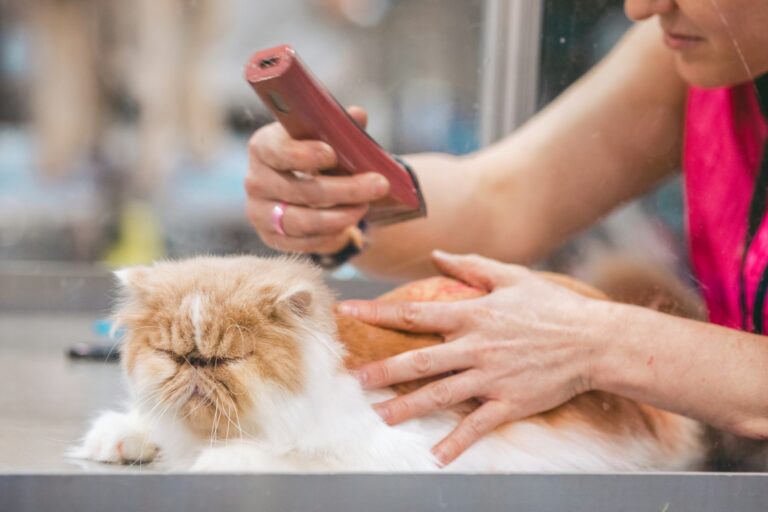
A professional cat groomer steps in with the skills, tools, and setup to make life easier for both you and your pet. You can expect a full check of the coat, skin, paws, and ears, safe dematting when possible, smart decisions about when shaving is the kinder option, and trims that fit your cat’s body type and lifestyle. Feline‑experienced groomers focus on stress‑limiting techniques like quieter tools, gentle handling, and shorter, more focused sessions.
Mobile, in‑home services keep your cat in a familiar space and remove car rides and crowded salons from the equation, which is helpful for anxious or older cats. Planning regular grooming before problems get big is even better. A spring deshedding or a neat lion‑style clip for long‑haired cats can set them up for warmer weather. From there, many cats do well on a steady rhythm of grooming every few weeks, based on coat length, age, and health, so heavy mats, sore nails, and skin flare‑ups do not get a chance to build up.
When you spot mats, greasy or dull fur, skin changes, odors, nail trouble, or new behaviors around grooming, it is your cat’s way of saying they need extra help. With gentle, professional support, they can get back to feeling clean, light, and comfortable in their own skin.
Give Your Cat a Safer, Stress-Free Grooming Experience
If your cat’s coat is matted, shedding heavily, or just needs expert care, we are ready to help make grooming easier and more comfortable. Our team at Honey Pets will pair your pet with a skilled professional cat groomer who understands feline behavior and gentle handling. Reach out today to discuss your cat’s needs or schedule an appointment through our contact us page.