Thick fur can be rewarding but tricky to keep up with, especially during the colder months when shedding starts to change patterns. For anyone keeping up with dog grooming in Salisbury, NC, winter into spring is an important time to stay on top of heavy coats. Many thick-coated dogs in this area start to lose their extra winter layer around late February, which brings on extra brushing needs and a risk of mats if things are left alone too long. As spring edges in, rough patches of fur, itchy skin, and tangled undercoats can sneak up fast.
If you’re managing a dog with a long or double coat, this season is your chance to reset the routine. With small changes in how you brush, bathe, and trim your dog’s coat, thick fur becomes less of a battle and more of a healthy habit. Here’s how we usually approach grooming this time of year when the cold lingers but spring isn’t far behind.
Understanding Thick Fur and Its Challenges
A thick coat usually means a dense top layer plus a heavy undercoat. Breeds like Golden Retrievers, Huskies, Border Collies, and Newfoundlands are common in Salisbury and often need extra maintenance in the late winter season.
During cold weather, undercoats become more compact to keep warmth in. But when temperatures start to shift, dogs begin to shed that layer in heavy amounts. Problems pop up fast if that extra fur doesn’t come out.
- Mats form when loose hair stays trapped underneath the topcoat
- Compacted undercoats prevent air flow, locking in moisture and dirt
- Poor coat care can lead to hot spots or itchy, dry patches of skin
On mild winter days, dogs may spend unexpected time outdoors. That mix of indoor heating and outdoor chill can throw their skin and coat off balance, making regular maintenance even more important.
Brushing Techniques That Make a Difference
A surface-level brush-through won’t do much for thick-coated dogs. It can actually hide mats instead of fixing them. That’s why we focus on brushing in layers and using the right tools to go deeper without irritating the skin.
Some helpful tools include:
- Slicker brushes, which pull loose hairs from the undercoat without too much tugging
- Undercoat rakes, which grab clumps of shedding fur from the lower layer
- Pin brushes, which smooth the topcoat and make brushing more comfortable near sensitive areas
Always start by brushing small sections at a time. Lift the top layer and gently go over the undercoat beneath, instead of just brushing across the full coat all at once. If your dog doesn’t enjoy long sessions, spread the task across a few shorter periods during the week. A treat afterward helps, too.
Bathing Strategies for Heavy Coats
Heavy coats hold on to more than just fur. Dust, oils, and trapped moisture can lead to odor or skin flare-ups. But bathing too often or rinsing poorly causes its own problems. For dogs with thick coats, the secret is timing and technique.
- Use lukewarm water during winter to avoid drying out the skin
- Choose a shampoo made for dogs with dense or sensitive coats
- Wash gently but thoroughly, making sure water gets all the way through
- Rinse completely and dry carefully using a towel first, then a dryer if needed
Air drying a thick coat might sound easier, but it can leave damp patches close to the skin. Those areas can trap moisture that leads to irritation or hotspots. Using low heat or cool settings on a pet-safe dryer helps speed things up safely.
Dealing with Shedding and Seasonal Change
As winter wraps up in Salisbury, shedding tends to spike. Even if your dog didn’t drop much fur during midwinter, that double coat starts shifting as soon as daylight lasts a little longer.
Signs that your dog is moving into shedding mode:
- Tufts of fur brushing off easily with your hand
- Extra hair showing up along baseboards or on furniture
- Tangled sections that seem thicker than normal near the hips, belly, or underarms
Deshedding brushes or rakes can keep this build-up under control between full grooming sessions. The more often loose undercoat is removed, the easier it becomes to brush and bathe your dog without matted clumps forming. If shedding suddenly gets worse or your dog seems itchy and uncomfortable, it may be time for a professional groom.
Why Fur Trims Matter (Even in Cooler Weather)
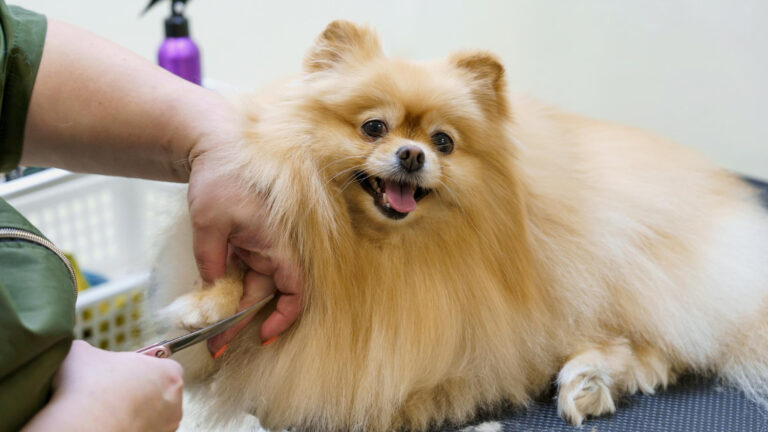
Even during colder months, a light trim can make things more manageable, and more comfortable, for thick-coated dogs. Trimming doesn’t mean shaving, which is best avoided for most cold-weather breeds. Instead, small cuts can help cut down mess and prevent discomfort.
Focus on trimming:
- Around the paws to stop fur from trapping salt, mud, or grit
- Sanitary areas for cleanliness and comfort indoors
- Behind ears or under the tail where mats like to hide
Shaving a thick-coated dog too much can damage the protective underlayer. Fur acts as insulation year-round, keeping heat in during winter and blocking sun in the summer. That’s why we only shape or thin coat areas where friction or buildup causes regular issues.
A Healthier Coat Starts with the Right Routine
For dog owners in Salisbury, the end of winter often brings a change in grooming habits. That’s a good thing. Transitioning out of the colder season is a chance to freshen up routines and help your dog shed the old coat safely.
- Try brushing in short sessions four to five times a week, especially while shedding is high
- Stick to scheduled baths based on coat condition or odor, not just the calendar
- Keep trimming on your radar, especially for paws, ears, and the underside of your dog
A dense coat doesn’t have to be hard to handle once you know what tends to build up and when. Regular care using the right tools, and figuring out what works for your dog’s patience level, makes thick fur less overwhelming. With attention and the right rhythm, the coat stays clean, light, and more comfortable as the seasons shift.
Caring for dogs with thick coats requires a thoughtful grooming routine and the right tools to keep their fur healthy and manageable. Breeds with dense or double coats often shed heavily during seasonal changes, and without proper maintenance, their fur can quickly develop tangles or mats that lead to discomfort. At Honey Pets, we understand the unique grooming needs of thick-coated dogs, which is why our mobile dog grooming service in Salisbury, NC is designed to provide personalized care that keeps your pet comfortable and their coat in great condition throughout the year.
Honey Pets offers mobile dog grooming in Salisbury, NC, designed to simplify even the toughest thick-coat grooming routines. Our fleet of climate-controlled grooming vans brings professional care directly to your home, eliminating the need for stressful trips to crowded salons. Each van is equipped with professional grooming tables, warm bathing systems, high-quality dryers, and specialized tools such as undercoat rakes, de-shedding brushes, and detangling combs. These tools allow our groomers to properly manage thick fur while maintaining the natural health and structure of your dog’s coat.
Every appointment begins with an initial coat and skin assessment. Our experienced groomers take time to evaluate your dog’s breed, coat density, shedding patterns, and overall grooming needs. This personalized approach allows us to create a grooming routine specifically suited to your dog. By tailoring each session to your pet’s coat type, we help prevent common issues such as matting, trapped moisture, and skin irritation that can occur when thick coats are not properly maintained.
During the grooming process, our team uses gentle bathing techniques and natural, coat-safe products that cleanse the skin while protecting the natural oils in your dog’s fur. Thorough brushing and de-shedding treatments help remove loose undercoat and reduce the amount of hair that ends up around your home. Regular grooming sessions also help keep the coat breathable and properly insulated, which is especially important for dogs with dense fur layers.
Seasonal grooming changes can sometimes be difficult for pet owners to keep up with, particularly when thick coats begin shedding more heavily during spring and fall. Many dogs experience sudden increases in loose fur, tangles, or itchy areas during these times. These changes are often signs that the coat needs more frequent brushing or a professional grooming session to remove excess undercoat and keep the skin healthy.
Mobile grooming offers a convenient solution for managing these seasonal changes. Instead of rearranging your day to visit a grooming salon, our professional groomers arrive directly at your home with everything needed to provide a full grooming service. Your dog receives one-on-one attention in a quiet and controlled environment, which helps reduce stress and allows the groomer to work at a comfortable pace.
Regular grooming not only improves your dog’s appearance but also contributes to their overall well-being. Removing loose fur, preventing mats, and maintaining clean skin can help reduce irritation and keep your pet feeling comfortable throughout the year. Consistent grooming also allows professionals to notice small skin or coat changes early, helping pet owners address potential issues before they become larger concerns.
At Honey Pets, our goal is to make grooming easy, comfortable, and reliable for both pets and their owners. Our mobile service is designed to fit smoothly into your schedule while providing professional-quality care right outside your door. We focus on patience, attention to detail, and gentle handling so every dog has a positive grooming experience.
For pet owners searching for dependable dog grooming in Salisbury, NC, Honey Pets offers a convenient and stress-free solution. Our mobile grooming service delivers clean, calm, and personalized care directly to your home. Book your appointment with Honey Pets today and let us help your pup stay fresh, healthy, and comfortable all year long. 🐶✨