Understanding Long-Haired Cat Grooming Before and After
Long-haired cats are beautiful, but that long, fluffy coat needs real care to stay healthy. When grooming is skipped, coats can turn from soft and silky into mats, knots, dandruff, and hidden skin problems. Long-haired cat grooming before and after results show how much difference one good session can make for both comfort and appearance.
In this guide, we will talk about what those transformations really mean, the signs your cat needs a grooming refresh, what happens during a professional session, and how to keep that fresh look between visits. Our team at Honey Pets works with long-haired cats every day, so we see how grooming changes their mood, movement, and overall comfort.
See the Stunning Difference Grooming Makes
Before grooming, many long-haired cats show a mix of coat and skin-related issues that build up gradually. You might notice mats behind the ears and under the legs, along with dull or greasy fur that looks dusty or clumpy. It’s also common to see dander, loose hair, and small bits of debris stuck throughout the coat, which can leave the cat looking heavy and weighed down instead of light and fluffy.
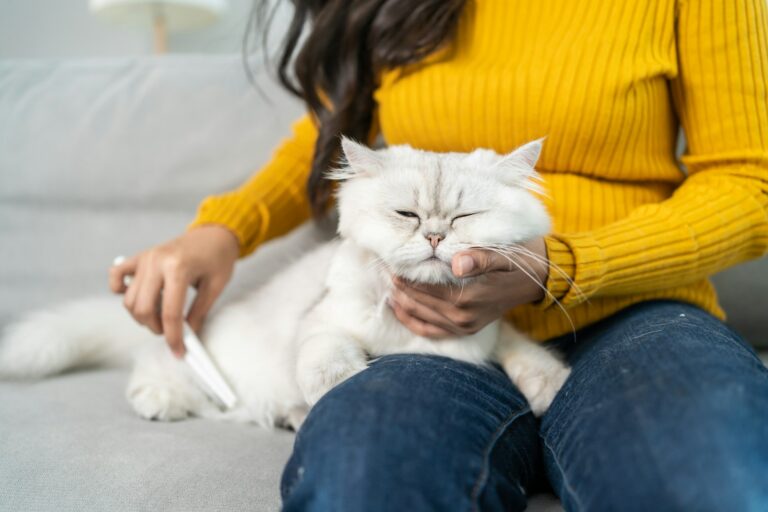
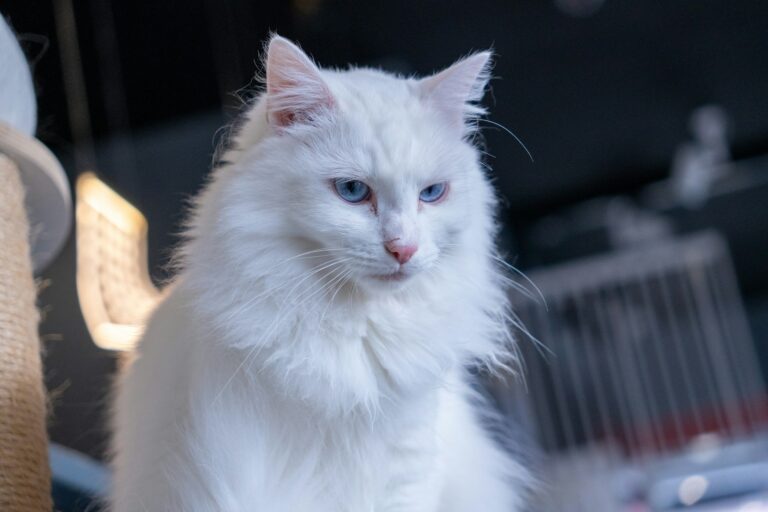
After a proper grooming, the same cat often looks like a different animal. The fur lies smoothly along the body, the tail looks full and soft, and the natural shine comes back. You can finally see the real length and color of the coat again.
These before and after changes are not just about looks. They often mean:
- Less pulling on the skin from tight mats
- Better air flow to the skin, which can help with itchiness
- Easier movement, especially around joints and under the arms
- A cleaner coat that traps less dirt and oil
When grooming is done at home by a mobile team, like we do at Honey Pets, the difference can feel even bigger. Your cat does not have to handle a car ride, loud waiting room, or strange smells. Grooming happens right outside your home, which can help keep many cats calmer and more relaxed.
How to Know Your Long-Haired Cat Needs Grooming
Some signs are easy to see once you start looking closely. Tangles often show up behind the ears, in the armpits, and around the tail, and thick clumps may form along the belly or back legs. You may also notice greasy or clumpy patches that do not brush out, white flakes on the coat or on the furniture where your cat naps, or uneven fur length where old mats pulled hair out.
Your cat’s behavior can also tell you something is wrong. Excessive licking in one area (especially on the belly or back), flinching or growling when you try to brush, avoiding being picked up, or hiding more than usual can all be signs that the coat is uncomfortable or even painful.
Mid-summer can be tough on long-haired cats. As temperatures climb, they may shed more, cough up more hairballs, or stretch out on cool floors looking uncomfortable. If you notice extra shedding, more hairballs, or heavy panting, that fluffy coat may need a trim and a good comb-out to feel lighter.
What Happens During a Long-Haired Cat Grooming Session
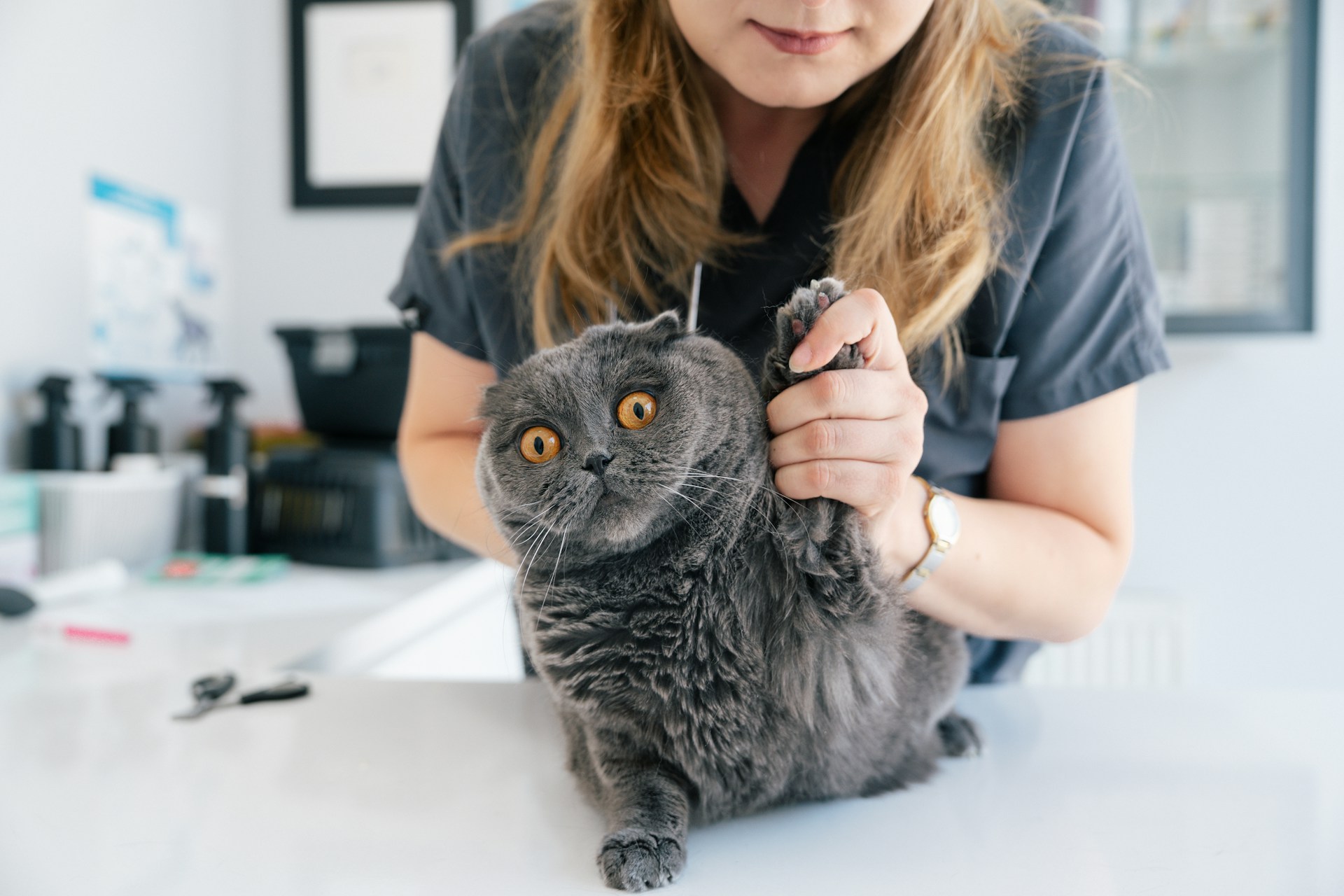
A good long-haired cat grooming session is slow, gentle, and planned around the cat’s comfort. A typical appointment may include:
- A calm greeting and quick check of eyes, ears, and coat
- Gentle pre-brushing to find trouble spots and loose hair
- Careful dematting using tools that break up knots without harsh pulling
- A cleansing bath, if appropriate for the cat and coat condition
- Blow-drying on a low, quiet setting to avoid stressing the cat
- A full comb-out to remove dead hair and smooth the coat
Long-haired cats often benefit from special services such as:
- Belly trims to keep fur off the floor and reduce mats
- Paw pad tidying so fur does not clump under the feet
- Hygiene or sanitary trims around the rear to keep things clean
- Lion cuts in cases of heavy matting or for cats in very warm climates
Throughout the process, low-stress handling is key. That means quiet tools, patient movements, and breaks when needed. Groomers also use this time to look for hidden issues under the thick fur, like redness, scabs, bumps, or signs of parasites, and can let you know what they see.
Before and After: What You Can Expect
Before grooming, many long-haired cats have issues that are easy to miss until someone parts the fur. Underneath the fluff, you might find knotted fur close to the skin that has been there for a while, small twigs, litter, or dust trapped in the coat, and even a faint odor coming from oily patches or old mats. In some cases, there may be red or irritated areas where the skin has been pulled or rubbed.
After a full grooming session, you can usually expect:
- A smoother, lighter coat that feels soft to the touch
- Less shedding on your clothes and furniture
- Fewer hairballs because more loose hair has been removed
- Easier daily brushing since the big mats are gone
For senior or overweight cats, this before and after shift can be especially strong. They often move more freely when fur around the joints and belly is shorter and tangle-free. Looking at long-haired cat grooming before and after photos over time can help you see patterns, spot early matting, and decide how often your cat should be groomed.
Keeping the Fresh Groomed Look at Home
Between professional appointments, a simple home routine can make a big difference. Focus on:
- A wide-tooth comb for long fur, especially on the belly and behind the legs
- A soft slicker brush for the topcoat, if your cat tolerates it
- Short, regular brushing sessions instead of long ones that stress your cat
- Being extra gentle around armpits, inner thighs, and tail base
During warmer months, long coats can trap more heat. You can help by:
- Offering cool resting spots on shaded floors
- Refreshing water often and using wide bowls or fountains
- Watching for heavy panting or signs of overheating
Some problems are not safe to handle on your own. Call a pro if you see:
- Tight, firm mats close to the skin
- Skin that looks broken, very red, or sore
- Extreme stress, hissing, or biting when you try to brush
- Sudden changes in grooming behavior, which may need a vet check
Choosing the Right Grooming Partner for Your Cat
Not every groomer works with cats, and not every cat groomer is used to long-haired coats. When you look for help, focus on:
- Clear experience with cats, not just dogs
- Gentle, patient handling and a calm approach
- A willingness to explain the process and answer questions
- Photos or reviews that show real long-haired cat grooming before and after results
Mobile grooming has special benefits for many cats. There is no car ride, no busy lobby full of barking dogs, and no long wait in a strange place. Your cat gets one-on-one attention in a familiar area, which can help reduce stress. At Honey Pets, our mobile teams serve multiple regions and work hard to keep the process as quiet, calm, and predictable as possible for every cat we groom.
See the Difference Professional Cat Grooming Can Make
If you are curious what skilled grooming can do for your kitty, explore our long-haired cat grooming before and after results to see how comfortable and refreshed your cat can look and feel. At Honey Pets, we focus on gentle handling, thorough coat care, and a stress-reducing experience for both you and your pet. Ready to schedule an appointment or ask a question about your cat’s specific needs? Simply contact us and we will help you plan the best grooming visit for your long-haired companion.