Keeping Long-Haired Cats Cool All Summer Long
Long-haired cats can struggle in hot weather, even if they live indoors with the AC on. Their thick coats can hold heat and make it harder for them to cool down, especially during the hottest parts of summer. Heat stress in cats happens when their body temperature rises and they cannot get rid of that extra heat fast enough.
Early warning signs can be sneaky. Watch for panting, drooling, bright red gums, acting very tired, hiding in odd spots, or seeming “out of it.” This article explains simple grooming schedules, safe coat care, and hydration tips that help keep fluffy cats more comfortable and lower the risk of heat stress.
Understanding Heat Stress Risks in Long-Haired Cats
A long, thick coat can act like a blanket. In cooler weather, that is helpful, but in summer heat it can trap warmth and humidity against a cat’s skin. This can be even harder on:
- Flat-faced cats with shorter noses
- Senior cats with less stamina
- Cats with heart or breathing problems
- Overweight cats that already struggle to stay cool
There is a big difference between a cat that is just warm and a cat in real trouble. Mild heat discomfort might look like stretching out on cool tile, being a bit less active, or grooming more. Heat exhaustion and heatstroke are more serious and can include:
- Panting with an open mouth
- Fast, shallow breathing
- Wobbliness or stumbling
- Vomiting or drooling
- Gums that are very bright red or pale
It is a myth that cats always know how to cool themselves. It is also not true that indoor cats can never overheat. Stuffed, sunny rooms, closed windows, and broken AC can all create risky heat indoors. Another myth is that shaving fixes every shedding or heat problem. In many cases, shaving can make things worse, not better.
Smart Summer Grooming Schedules That Protect Your Cat
Good grooming is one of the best tools for protecting long-haired cats in hot weather. Instead of big changes all at once, it helps to think of grooming as a steady plan that follows the seasons.
A simple schedule might look like this:
- Late spring: Deep brushing, deshedding, and a light trim to remove heavy, loose undercoat
- Mid-summer: Maintenance brushing, small trims around problem areas, checking for mats
- Early fall: Another deshedding session as the coat shifts with cooler weather
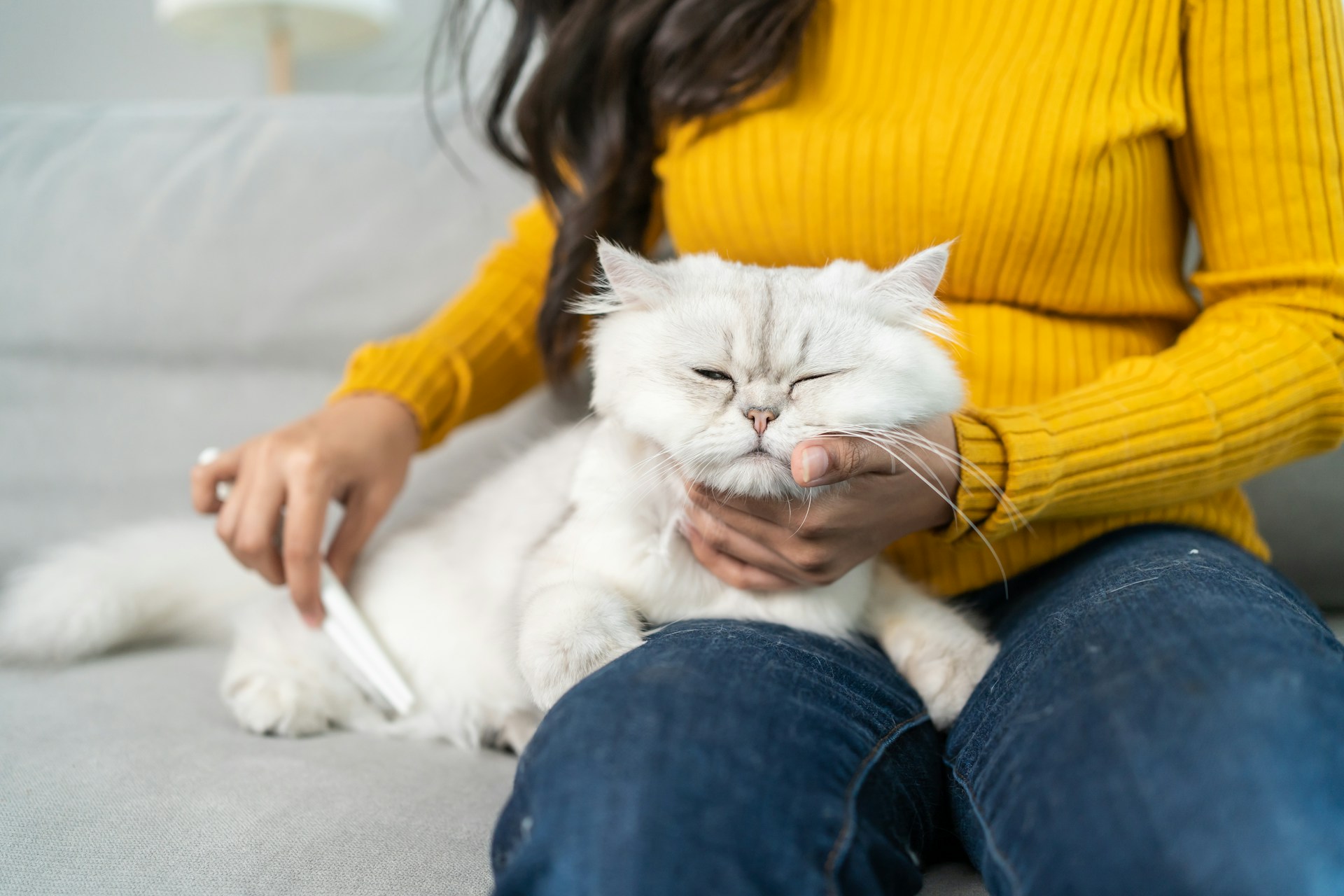
Between professional visits, gentle brushing at home helps a lot. For many long-haired cats, short daily brushing sessions work better than one long, stressful session. Focus on common trouble spots, like:
- Behind the ears
- Under the armpits
- Belly and inner thighs
- Base of the tail
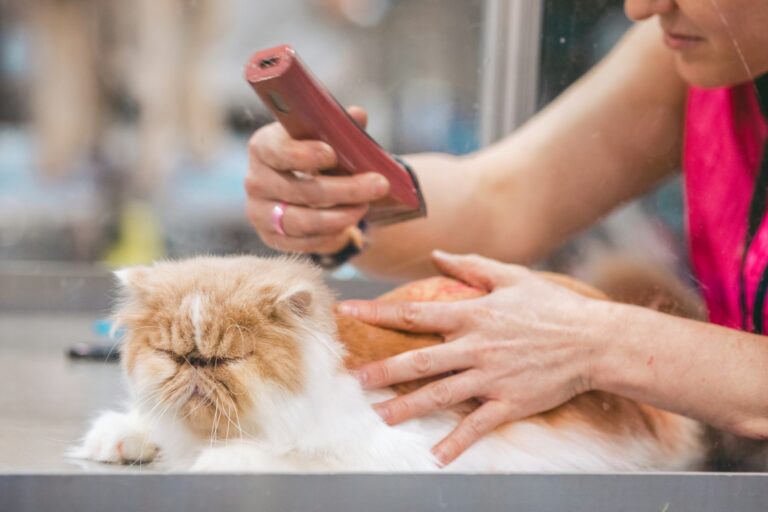
Safe professional grooming in hot weather should happen in a cool, climate-controlled space. This is especially helpful for anxious or senior cats that cannot handle heat or long car rides. Grooming sessions for cats should be calm, with careful breaks and gentle drying so they do not overheat.
When thinking about long-haired cat grooming before and after, the goal is not to create a super short coat. It is to turn a dense, possibly matted coat into one that is combed-out, thinned where needed, and slightly trimmed so air can flow through, while still protecting the skin.
When Shaving Helps and When It Harms Your Long-Haired Cat
A cat’s coat is more than just fluff. It works like a natural thermostat. Guard hairs and undercoat help keep body temperature steady. They can protect a cat from both heat and cold, and they also shield the skin from sunburn.
Over-shaving can:
- Damage coat texture
- Slow or change how the hair grows back
- Expose sensitive skin to sun and bug bites
- Make it harder for a cat to regulate body temperature
There are times when shaving or a lion cut is helpful. These include:
- Severe matting that cannot be brushed out safely
- Medical reasons, like surgery or certain skin treatments
- Heavy soiling on the coat that is not safe to wash away
In these cases, a partial shave in problem areas may be more comfortable than trying to comb out painful knots. Think of a long-haired cat grooming before and after example where a cat arrives with tight mats along the back and sides. A groomer may need to shave those specific spots short so the skin can breathe and the cat can move without pulling.
On the other hand, a healthy, well-maintained coat usually does better with thinning, deshedding, and light trimming, rather than a full shave, especially under strong summer sun. A good groomer can help decide what is safest for each individual cat.
Hydration, Cooling Strategies, and Indoor Comfort
Good hydration is just as important as grooming when it comes to preventing heat stress. Cats can be picky drinkers, so it helps to make water easy and appealing.
Try:
- Multiple water stations in quiet areas
- Wide, shallow bowls that do not press on whiskers
- Running water fountains for cats that like moving water
- Adding a little extra water to wet food
Keep an eye on the litter box. Very small, very hard clumps, or much less urine than usual, can be a sign a cat is not drinking enough.
For cooling, focus on gentle options:
- Cooling mats or tiles in favorite nap spots
- A frozen water bottle wrapped in a towel near where the cat rests
- Shaded window perches, with curtains or blinds closed during peak sun
- Fans that move air in the room, but not blasting directly on a wet cat
Avoid ice-cold baths or dunking. Sudden cold can stress the body and most cats find it terrifying. A calm, cool room is much safer.
Indoors, try to keep temperatures steady and comfortable. Use fans, AC, and closed blinds when the sun is strongest. Do not let your cat get stuck in very warm places like garages, attics, laundry rooms with running dryers, or enclosed patios that trap heat.
Grooming Red Flags and When to Call the Vet
Even with a careful summer plan, it is important to know when grooming and heat are becoming dangerous. Stop what you are doing and contact a vet right away if you notice:
- Labored or noisy breathing during or after brushing
- Sudden collapse or wobbliness, especially after a bath or blow-drying
- Gums that are very pale, very bright red, or grayish
- Refusal to drink or eat during hot weather
- Extreme weakness, confusion, or glassy eyes
Normal grooming stress might look like mild fussing, trying to walk away, or some vocalizing. Heat stress is different. Watch for fast breathing that does not slow when you pause, panting with an open mouth, or a tongue hanging out. Check gum color and how responsive the cat is to your voice.
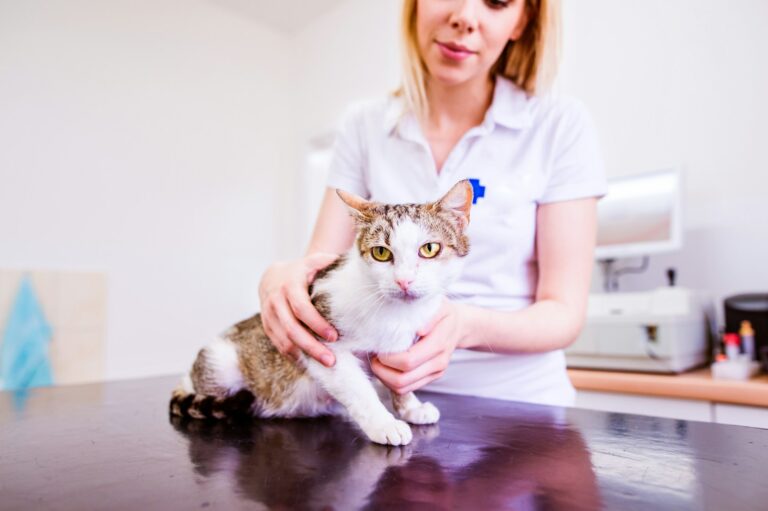
A professional groomer can be an important part of a cat’s care team. Groomers see skin and coat up close, and they can share general observations so owners can discuss them with a vet. Together, owners and veterinarians can decide how often grooming should happen and what type of trimming is safest for cats with chronic health issues.
Creating a Safe Summer Plan for Your Long-Haired Cat
The best way to protect a fluffy cat from heat stress is to plan ahead. A simple July through September care plan might include:
- A regular brushing schedule that is easy to stick with
- Hydration tricks that the cat actually likes
- Favorite cool-down spaces set up around the home
- Well-timed professional grooming sessions in a climate-controlled space
It can also help to keep a simple long-haired cat grooming before and after checklist. Note how the coat looks and feels, how much the cat is shedding, how they act in warm rooms, and how easily they can be brushed. Adjust timing and services based on what keeps them most relaxed and comfortable.
With the right grooming schedule, smart hydration, and gentle cooling habits, long-haired cats can stay safer and more comfortable through the hottest months of the year.
See the Difference Professional Grooming Makes for Your Long-Haired Cat
If you are curious how a full grooming session can transform your kitty’s coat, explore our long-haired cat grooming before and after results and see what we can do for your pet. At Honey Pets, we tailor every appointment to your cat’s coat type, temperament, and skin needs so they leave comfortable, clean, and tangle-free. Ready to schedule a visit or ask a question about our grooming packages, pricing, or availability? Just contact us and we will help you book the right service for your long-haired companion.