Content Cats Start with Fear-Free Grooming
Cat grooming does not have to be a scary experience. With the right approach, it can actually support your cat’s health, keep their skin and coat in better shape, and even improve how they feel about being handled at home. When grooming is calm and kind, many cats become easier to care for and more relaxed with their families.
Anxious cats often show stress in ways that are easy to miss or misunderstand. Common signs include hiding when the carrier comes out, loud meowing, growling, swatting, panting, wide eyes, or a stiff, tight body. Some cats simply freeze and shut down, which can look “calm” but is really fear. A professional cat groomer who focuses on comfort and low-stress care can change that pattern.
Mobile grooming and small boutique settings help a lot. Unlike a busy salon full of barking dogs, a mobile spa provides a quiet, controlled space right at your home. That means less travel time, fewer strange smells and sounds, and one-on-one attention, which all add up to a more peaceful grooming day for your cat.
Understanding Why Cats Get Anxious About Grooming
Cats are sensitive creatures, and grooming can trigger several of their natural fears at once. Think about what a grooming day might include: a carrier, a car ride, a new person, new tools, water, clippers, and being handled in ways they are not used to. If they have ever had a rough experience before, those memories can make things worse.
A cat’s body reacts quickly to stress with a “fight, flight, or freeze” response. When that kicks in, you might notice:
- Fight: swatting, hissing, biting, growling
- Flight: trying to escape, twisting, scrambling out of your arms or the carrier
- Freeze: stiff body, very quiet, wide or fixed eyes, fast breathing
Overstimulation makes this response stronger. Loud dryers, multiple animals in the same room, harsh restraints, or rushing through grooming can all push a cat past their comfort zone. This is why a calm, quiet setup is such a big deal.
Seasonal changes can add a layer of discomfort. In warm months, many cats shed more and they can develop mats, especially in long or thick coats. Mats pull on the skin and can make brushing or combing feel painful. If grooming is already a little scary, that extra tugging can make a cat even more anxious.
Preparing Your Cat at Home Before the Appointment
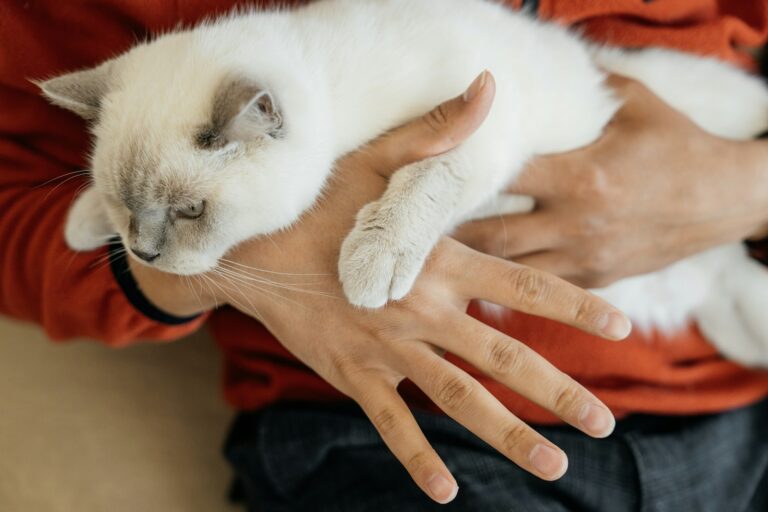
Good grooming days start at home. Small, daily steps can teach your cat that handling is safe and even rewarding. Think of it like training for a big event, just very gentle and at your cat’s pace.
Try a few minutes each day of:
- Lightly touching paws, one toe at a time
- Gently stroking legs, tail, chest, belly, and ears
- Pairing every touch with a soft voice and tiny treats
Keep these sessions short, then stop while your cat is still relaxed. Over time, this makes nail trims and body handling feel more normal.
A simple pre-grooming routine also helps. You can:
- Offer a play session to burn off extra energy
- Give a light meal so your cat is not starving or too full
- Make sure they have a chance to use the litter box
Carriers are another big trigger, so turn the carrier into a safe spot, not a “bad news” box that only shows up on vet or grooming days. Leave it open in a quiet room, add soft bedding, drop in a few treats or toys, and allow your cat to explore it on their own. When they are comfortable, start closing the door for very short periods and try brief, calm car rides so the whole process feels more familiar.
Creating a Calm Summer Grooming Environment
Warm weather adds its own stress for cats. Heat, more travel, open windows with outside noises, and busier homes can all raise anxiety levels. A climate-controlled mobile grooming van can make a big difference by giving your cat a cool, quiet space that feels separate from all that chaos.
On grooming day, you can help by:
- Keeping windows closed to reduce sudden outdoor sounds
- Placing the carrier in a calm, low-traffic room before pickup
- Sticking to the planned time as closely as possible
Inside a mobile spa, a professional cat groomer can set the temperature to a comfortable level, use quieter tools when possible, and handle your cat in a calm, gentle way. In warmer months, groomers pay extra attention to signs of overheating and irritability, such as heavy panting, drooling, or sudden cranky behavior, and take breaks as needed so your cat can settle.
What a Cat-Friendly Professional Groomer Really Does
A cat-focused groomer works slowly and respectfully. The goal is not just a clean coat, but a safe experience that your cat can handle emotionally. Low-stress handling is at the center of that.
This often looks like:
- Approaching from the side instead of head-on
- Letting the cat sniff tools before they are used
- Using towel wraps for comfort and security
- Using the least amount of restraint needed, and pausing when stress rises
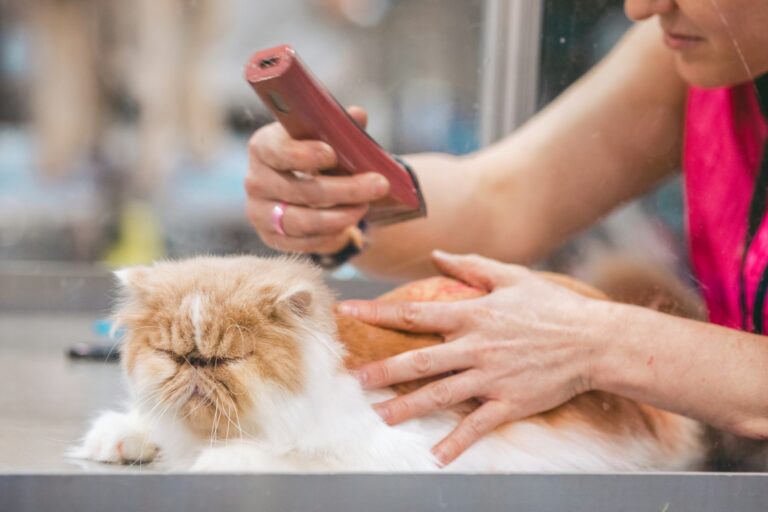
A typical cat grooming session might include a nail trim, coat brushing or combing, careful removal of mats, a gentle bath if needed, drying, and sometimes a sanitary trim or paw pad cleanup. Each step is adjusted to the cat. A shy or fearful cat may need extra breaks, slower movements, and fewer services at first.
Mobile and boutique grooming settings are especially helpful for cats because there are fewer animals around, no crowded waiting areas, and no constant barking in the background. That one-on-one approach helps many anxious cats cope much better with grooming.
Using Gentle Techniques During and After Grooming
During grooming, small comfort tools can calm an anxious cat. Many groomers use pheromone sprays on towels or bedding, soft background music, and non-slip mats so the cat feels steady and supported. Warm towels can help nervous muscles relax and keep the cat from feeling chilled after a bath.
For very anxious cats, shorter, more frequent sessions often work better than a long, intense visit. Instead of trying to do everything at once, the groomer may suggest:
- One visit for nails and light brushing
- Another for deeper coat care or a bath
- More regular upkeep to prevent heavy matting
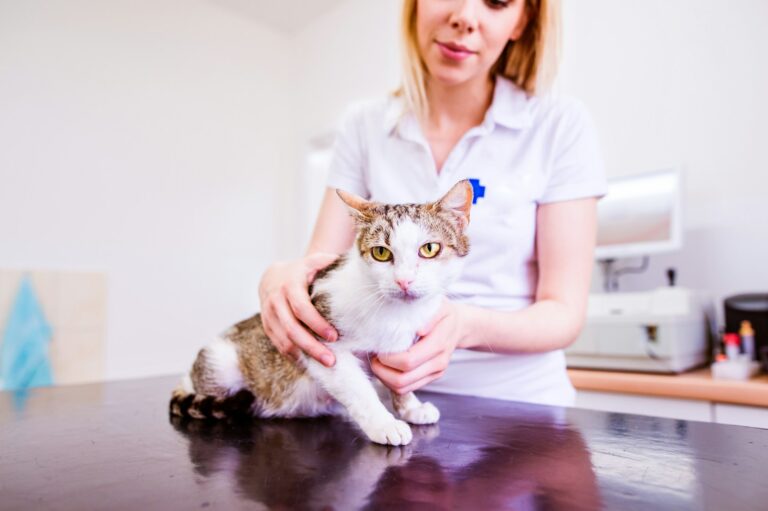
There are times when a veterinarian should be involved. If your cat has extreme fear, major medical issues, or reacts with serious aggression, your groomer may recommend talking with your vet. Together, they can plan extra support, which might include medical guidance or special handling plans to keep your cat safe and as calm as possible.
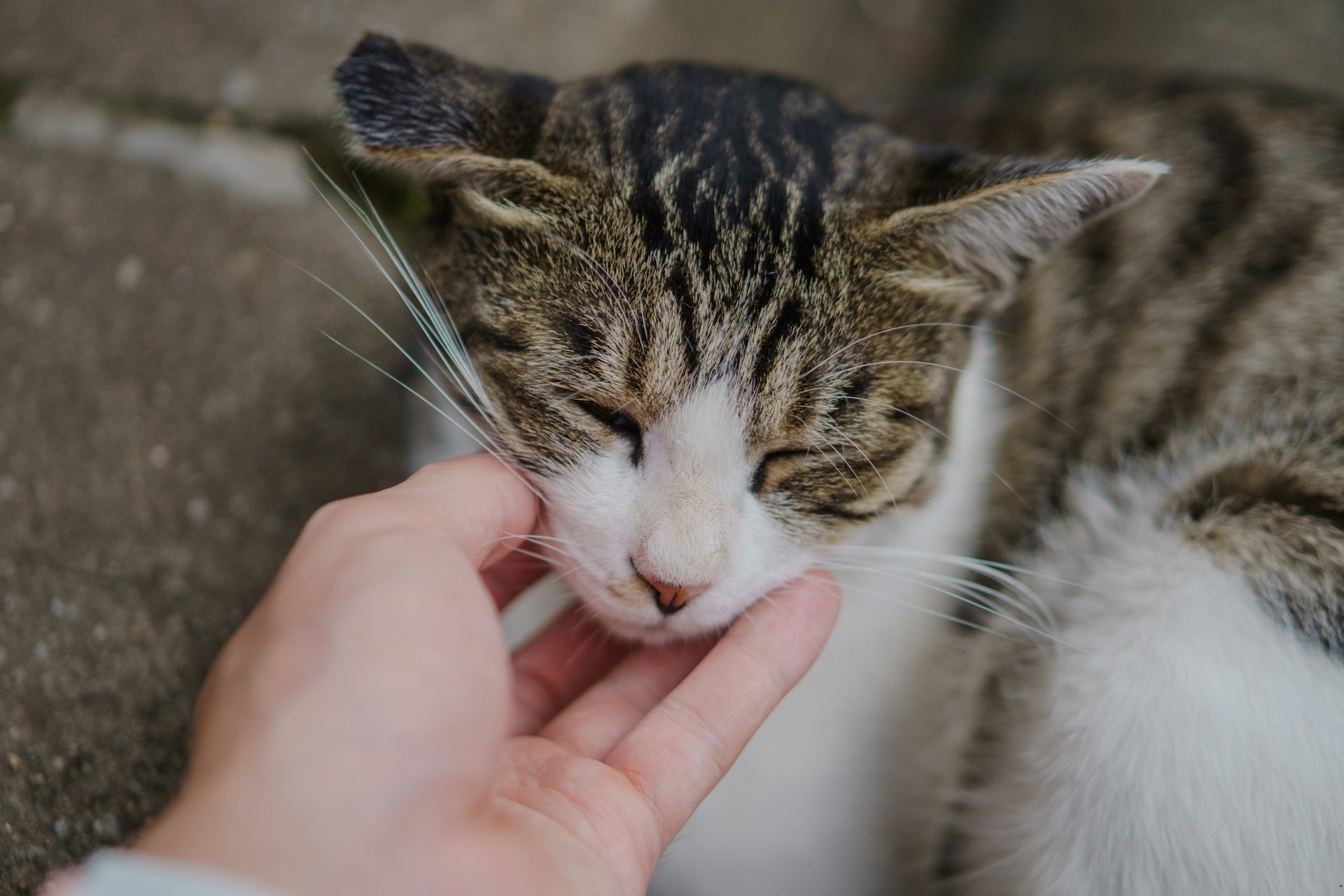
After grooming, give your cat a quiet space to settle. Open the carrier and let them come out on their own. Avoid grabbing, hugging, or trying to show off their new look right away. Let your cat choose when they are ready for pets and play.
To build good memories, pair grooming days with rewards your cat loves, such as:
- Favorite treats or a special snack
- A food puzzle that keeps their mind busy
- A gentle play session with a wand toy
Keep an eye on your cat over the next day or two. Contact your groomer or vet if you notice ongoing hiding, not eating, limping, intense scratching, or overgrooming one area. These signs can mean your cat is still very stressed or uncomfortable and needs a bit more support.
By taking grooming anxiety seriously and working as a team with a professional cat groomer, you help your cat feel safer, cleaner, and more comfortable all year long.
Give Your Cat the Gentle Grooming Care They Deserve
If your cat is starting to show signs of mats, shedding, or discomfort, our team at Honey Pets is ready to help. Let a professional cat groomer keep your feline clean, comfortable, and stress-free during every visit. We take the time to understand your cat’s temperament so each appointment is as calm and safe as possible. Have questions or want to schedule an appointment? Simply contact us and we will walk you through the next steps.